 All aircraft media
 View aircraft index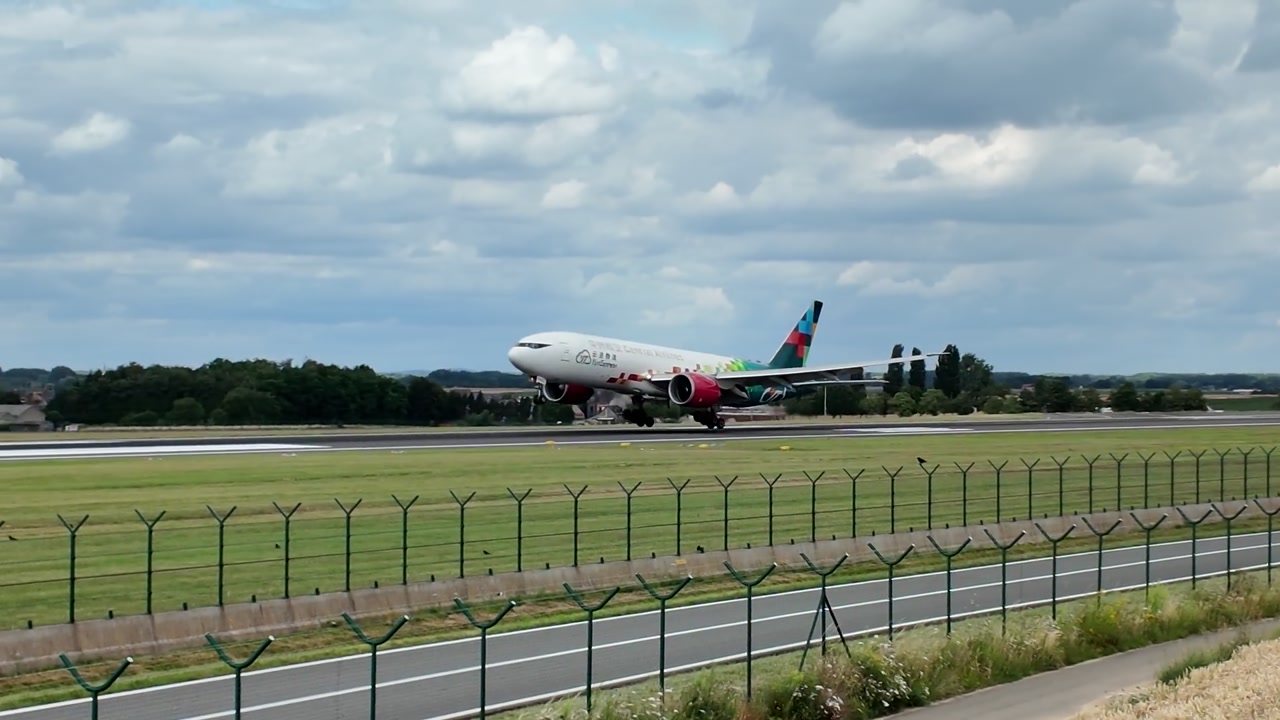
Featured catch
Boeing 777F in approach light.
Large-frame photos and video posters become the album's visual memory, while the metadata stays close enough for spotting context.
 FPSAlbum
Feynman * Planes * Spotting. A curated photo and video archive of Brussels catches, indexed by aircraft type, operator, registration, and the little notes that make each sighting memorable.
The latest airport session: an all-white Boeing 747-400F freighter on final approach, photographed from the fence on 11 July 2026.
Large-frame photos and video posters become the album's visual memory, while the metadata stays close enough for spotting context.
Browse every identified aircraft across all collections by product family.
 Aircraft index
Models, operators, brands, and collections remain independent facets.
Identified aircraft from every collection, with photos and videos sharing the same card layout.
Commentary, side captures, and other media kept outside the aircraft index.
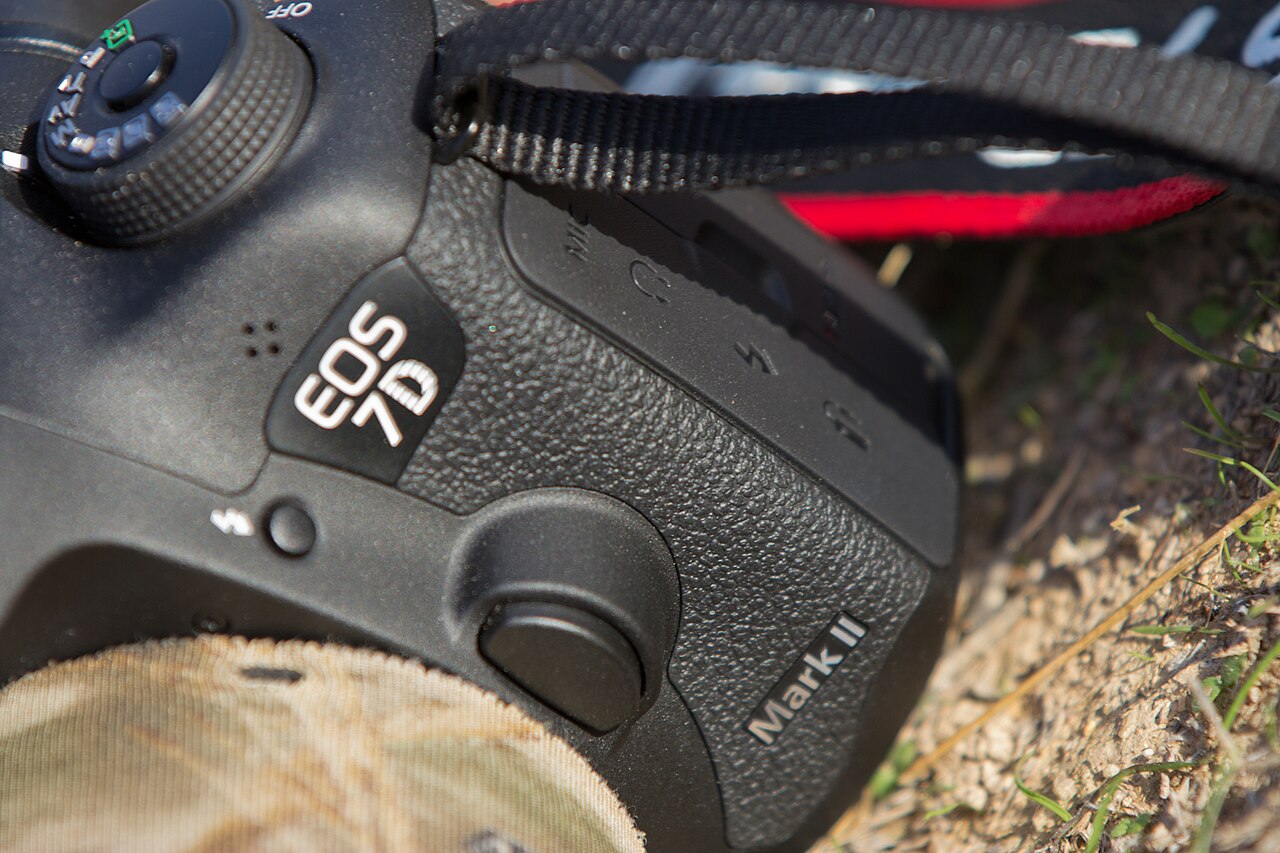
A camera body, one telephoto lens, and a reason to look up. Step away from the album and into the story behind the kit.
Enter the Flightline
The aircraft arrived as a shape in the sky. I wanted the registration, the light on the fuselage, and the few seconds when motion becomes a photograph.
“I did not need more camera. I needed less distance.”
Canon designed the EOS 7D Mark II for subjects that do not wait. Its 20.2-megapixel APS-C sensor gives the frame useful reach, while the 65-point all cross-type autofocus system spreads focus choices across the viewfinder.
At up to 10 frames per second, a fly-by is no longer a single guess. It becomes a short sequence: nose, profile, rotation, departure.
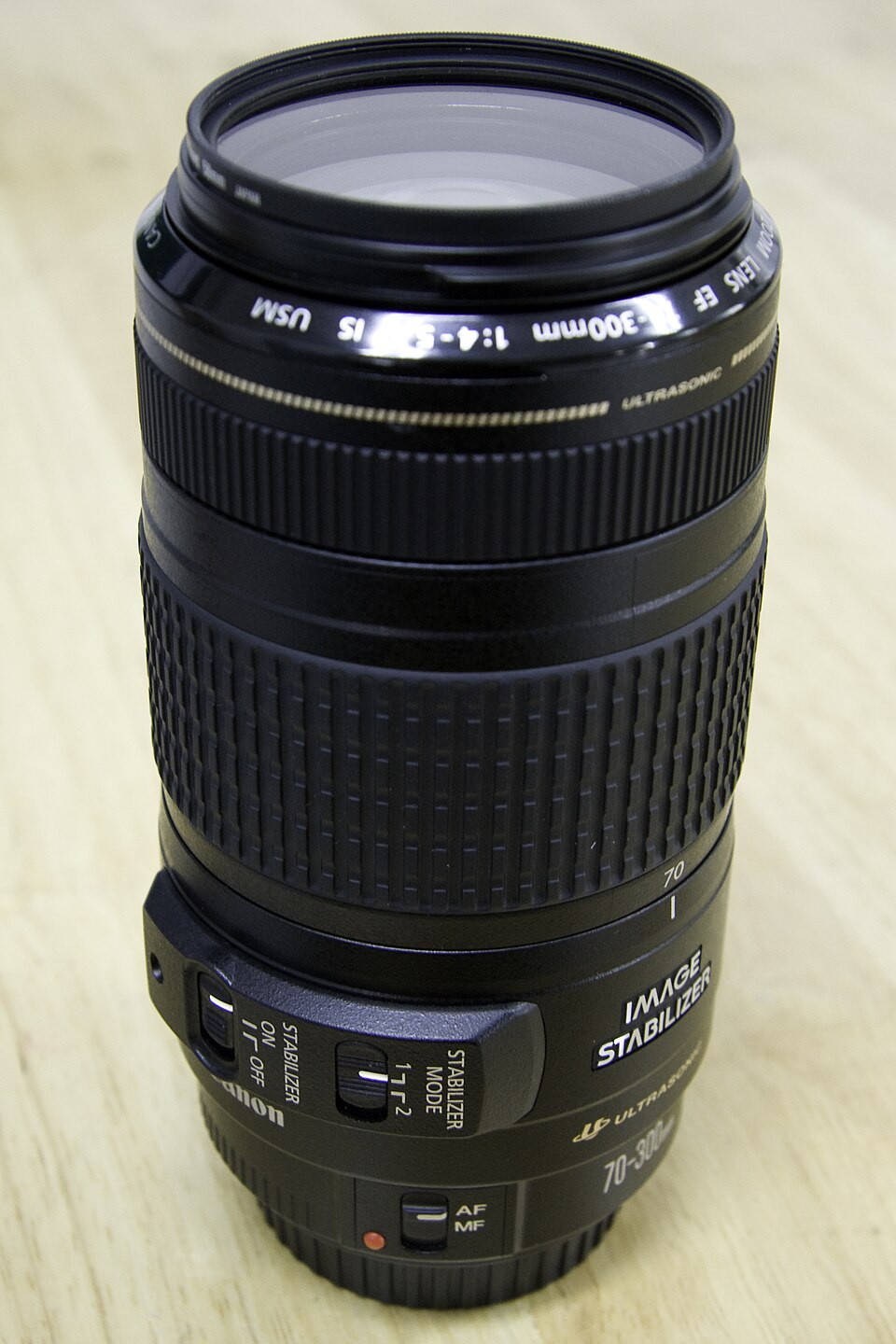
At 70mm, the aircraft is easier to find. Toward 300mm, it fills the frame. Canon rates the stabilizer at up to three stops, and IS Mode 2 is made for panning with a moving subject.
On this APS-C body, the field of view feels roughly like 112–480mm on full frame: enough room to acquire, then enough reach to stay close.
The distance changes in real time.
Filmed near home with the actual kit, this is the first field proof: the frame closes in, holds the distant detail, then opens back out to the wider scene.
ORIGINAL FIELD TEST BY FEYNMAN XIE · 70MM → 300MM → 70MM
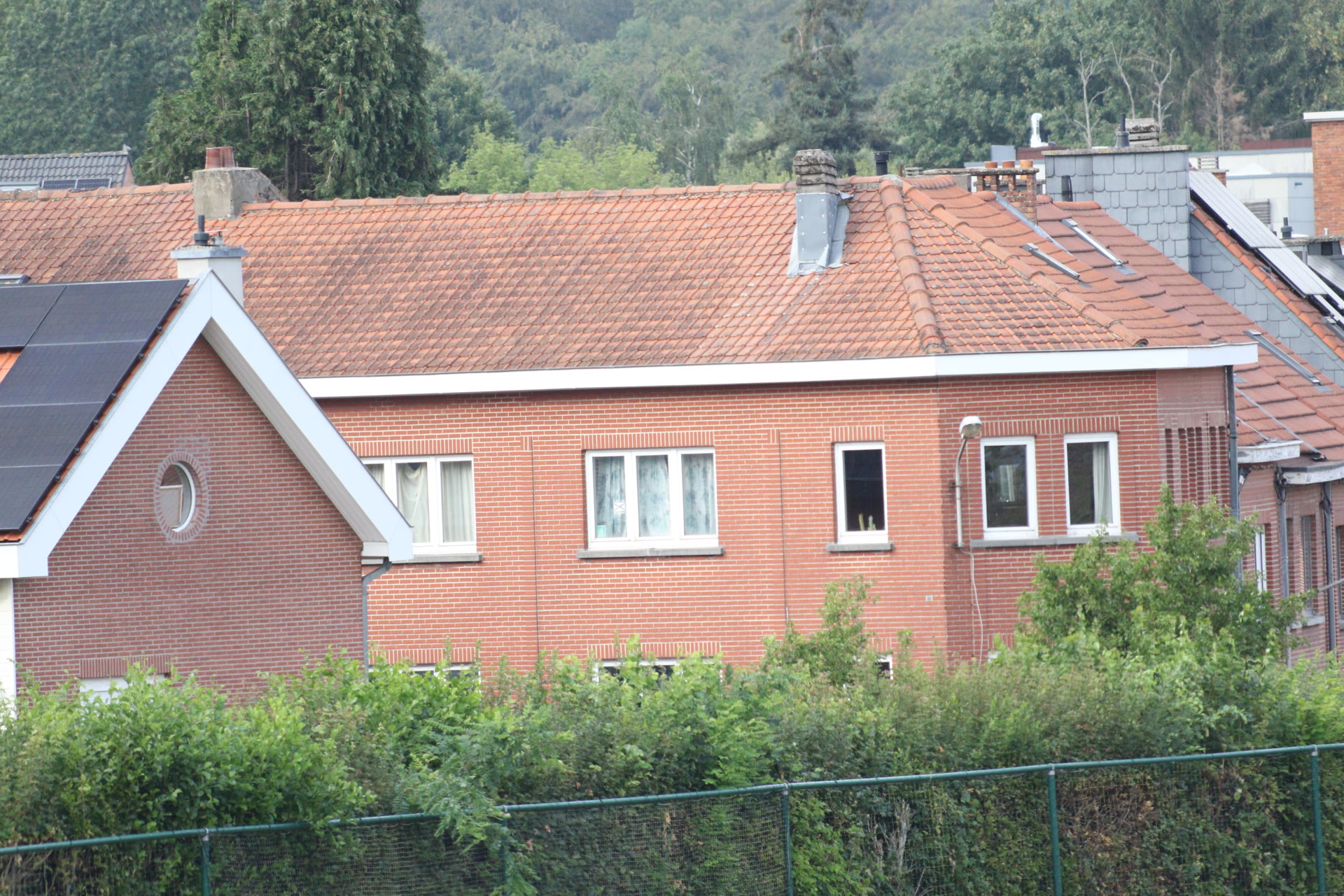
Six seconds apart, photographed from the same position. These are my own first test images from the EOS 7D Mark II and EF 70–300mm lens.
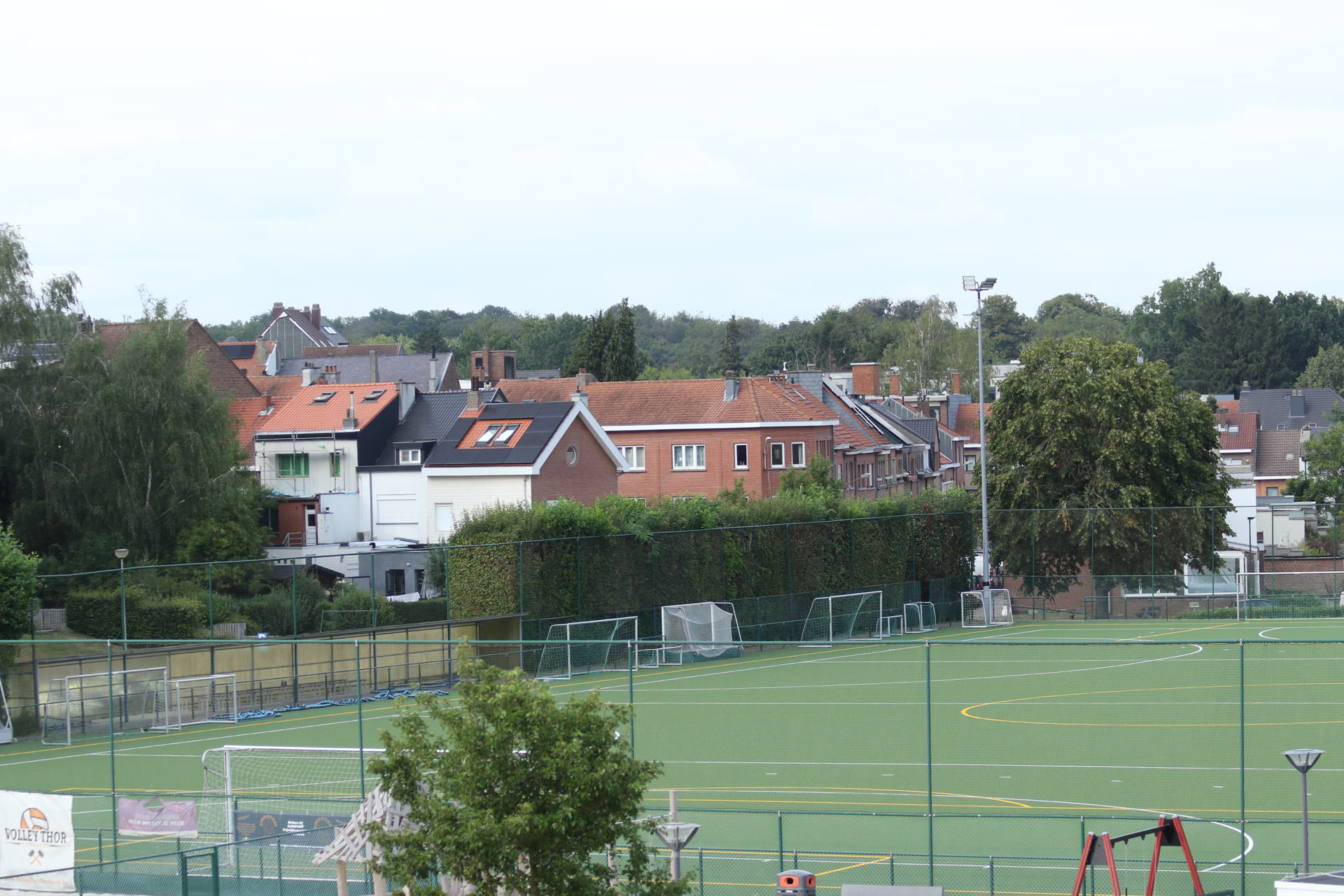
CANON EOS 7D MARK II · EF 70–300MM F/4–5.6 IS USM · SHUTTER PRIORITY · MANUAL WHITE BALANCE
CANON EOS 7D MARK II · EF 70–300MM F/4–5.6 IS USM · SHUTTER PRIORITY · MANUAL WHITE BALANCE